Plenty of breweries print "locally sourced" on the wall. The phrase can mean almost anything, from one garnish grown in state to a beer built almost entirely from nearby farms. At Free Range Brewing the claim is specific: the beers average about 95 percent locally sourced ingredients. What does a number like that actually change in the glass, and what does it change for the farms around Charlotte? More than you might expect, and less than the marketing suggests. Both halves are worth understanding.
What "local" means in a beer
A beer's ingredient list is short: water, malted grain, hops and yeast, plus whatever adjuncts the recipe calls for, fruit, herbs, honey, flowers, coffee. Sourcing locally mostly means the grain and the flavorings. North Carolina has its own maltsters who turn regional barley and wheat into brewing malt, and its own hop yards, though hops remain the hardest ingredient to source in the Southeast because the plant prefers cooler, drier summers than Piedmont humidity offers. When a brewery says most of a beer is local, it is usually talking about malt, fruit, herbs and honey doing the heavy lifting.
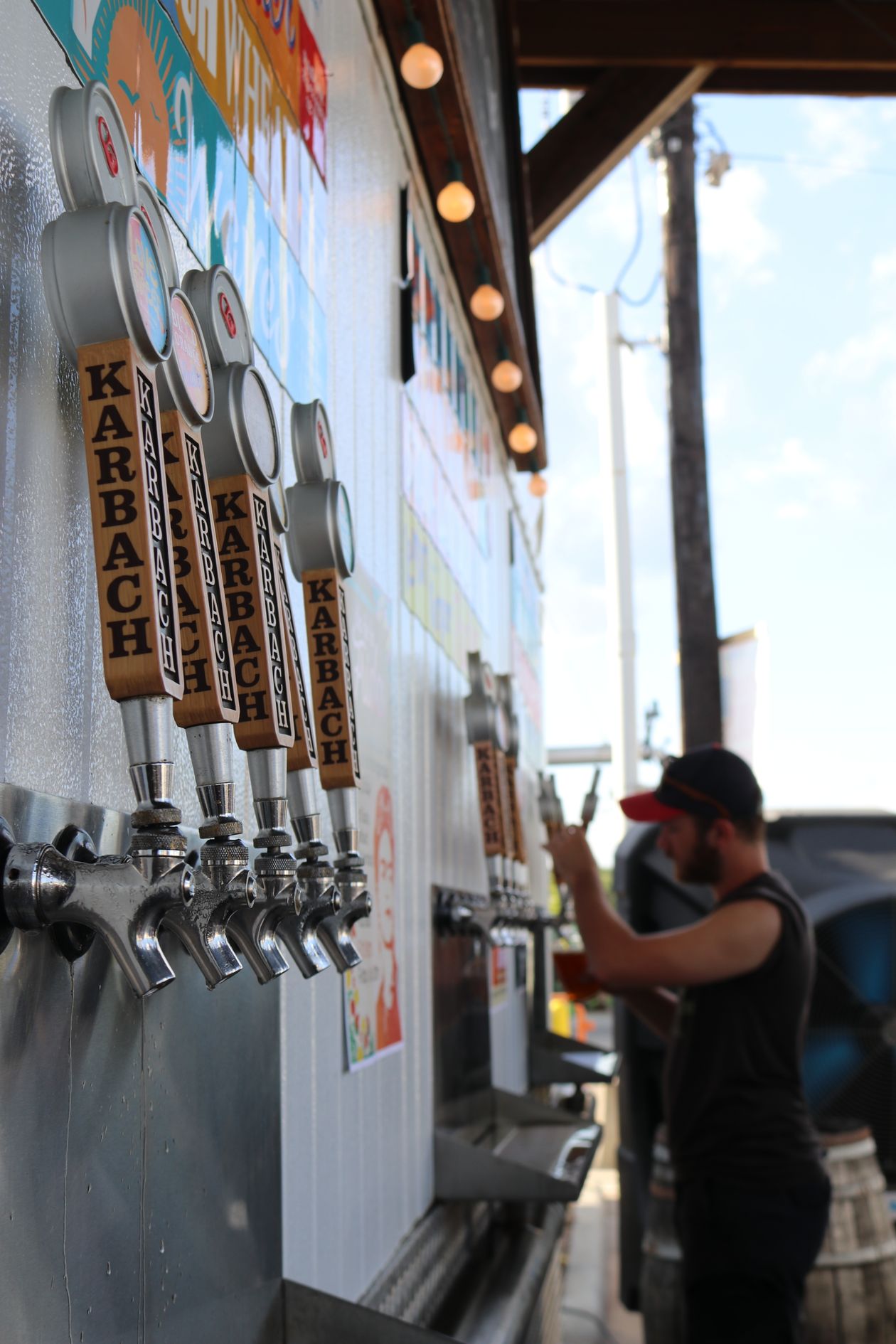
The flavor difference is real, and seasonal
Fresh, ripe fruit picked nearby tastes different from fruit shipped a thousand miles, and beer shows it: a peach ale brewed at peach season has a perfume that extract cannot fake. Local sourcing also forces the calendar on the brewer. Strawberries mean spring, peaches mean high summer, persimmons and spices mean fall. The tap list becomes a crop report. If you drink at the same taproom across a year, you taste the region's growing season in sequence, which is a pleasure no year-round flagship can offer.
The trade-offs nobody prints on the wall
Local ingredients cost more and arrive in limited amounts, so the beers built on them come in small batches and sell out. A rainy spring or a failed hop yard can cancel a recipe entirely. Brewers accept that fragility because the money stays close: a Charlotte brewery buying malt, fruit and honey from North Carolina growers keeps those farms viable, and viable farms are the reason the ingredients exist next year. It is a loop, and the drinker is part of it whether they think about it or not.
How to drink with the idea, not just hear it
Ask what is in the glass. Taproom staff can usually tell you which beer on the board is the most local pour right now and what farm ingredient is driving it. Order that one first, while your palate is fresh. Then order your usual. The comparison, a beer built around a place and a season against a beer built around a recipe, is the whole argument in two glasses, and it settles the question better than any wall text.
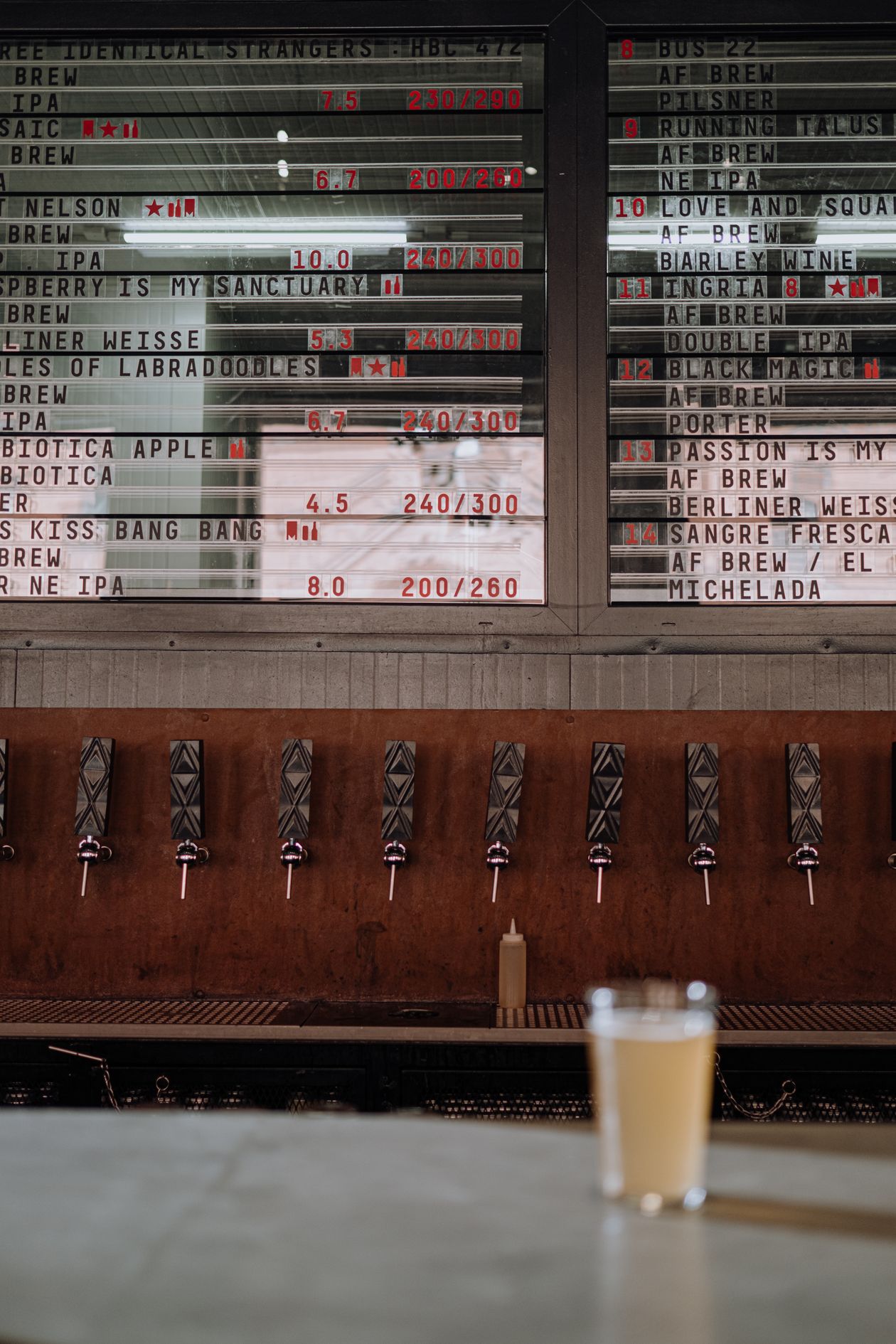
What to ask at the bar
The claim becomes concrete the moment you ask two questions. First: which beer on the board is the most local right now, and what is in it? The answer names ingredients you can taste for, a specific malt, a fruit, a honey, instead of a percentage you cannot. Second: where does the spent grain go? Breweries produce tons of it, and local-minded ones send it to farms as animal feed or compost, closing a loop that starts in the same fields the ingredients came from. Neither question is a challenge. Brewers who do this work like being asked, because the answers are the part of the story the wall text cannot hold.
None of this requires purity tests or loyalty oaths. It asks only that the phrase on the wall be treated as the start of a conversation rather than the end of one, and that drinkers reward the breweries whose answers name farms, crops and seasons instead of adjectives.
Common questions
Does locally sourced beer taste better?
It tastes fresher and more seasonal, especially in fruit and herb beers. Whether that counts as better is personal, but the difference between harvest-time fruit and shipped fruit is easy to taste side by side.
Why do local-ingredient beers cost a little more?
Regional malt, fruit and honey are bought in smaller amounts from smaller producers, without the bulk pricing of national suppliers. The beer carries that cost, and the batch sizes stay small for the same reason.
Can a brewery be 100 percent local?
Rarely. Hops, some specialty malts and most yeast strains come from far away, which is why honest breweries talk about a high average rather than a perfect score.
Photos in this guide are representative stock images.
← All guides from Free Range Brewing← Back to Free Range Brewing