Half the pleasure of a small brewery is taking the beer home, and half the disappointment is opening it three weeks later to find it flat, skunked or tasting like cardboard. Beer is food. It ages, it reacts to light and heat, and the trip from a NoDa taproom to a Charlotte refrigerator decides more about the final glass than most people realize. Cans from Free Range Brewing, crowlers and growlers each come with their own rules. Here they are.
The three containers, honestly compared
| Container | Keeps well for | Watch out for |
|---|---|---|
| Sealed cans from the brewery | Weeks to months, style depending | Heat in a parked car; hoppy beers fade first |
| Crowler (large sealed can, filled to order) | About a week unopened, best inside a few days | Drink the same day once opened |
| Growler (refillable jug) | A day or two unopened | Loses carbonation fast; finish within a day of opening |
Light and heat are the two enemies
Ultraviolet light breaks down hop compounds in minutes and creates the skunked flavor people blame on bad beer; it is why cans and brown bottles exist. Heat is slower but just as certain: warm storage ages beer at double speed, turning fresh hop aroma dull and adding a papery, stale note. The trunk of a car in a North Carolina summer is the worst storage in the state. Beer should ride in the cabin, go home promptly and get into the refrigerator, where cold and dark slow every bad reaction at once.
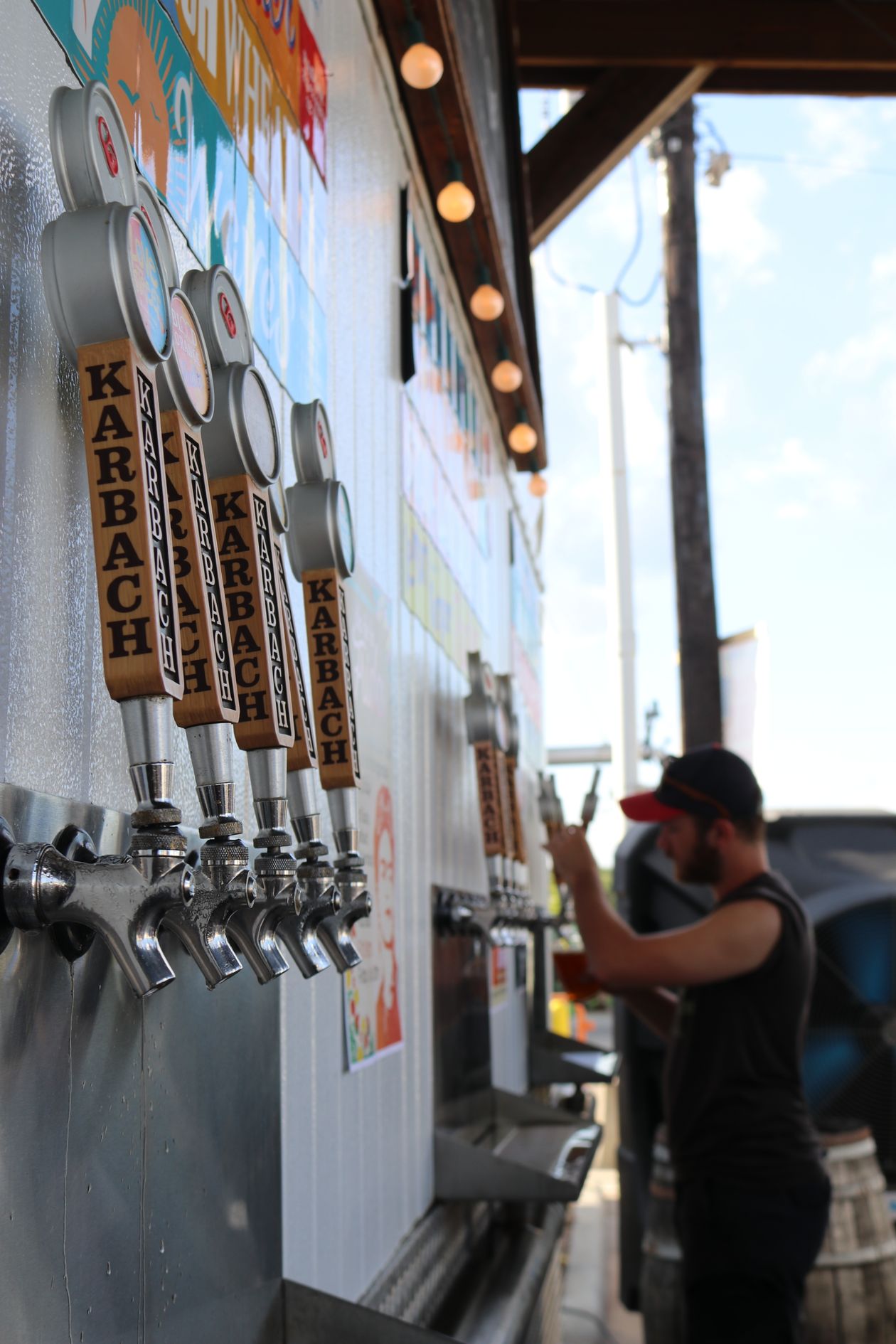
Which styles keep, and which do not
Hoppy beers are mayflies: an IPA is at its best within weeks of canning, and its aroma fades steadily after that. Fruit beers and light lagers also want drinking young. The keepers are the strong and the dark: imperial stouts, barleywines and barrel-aged beers can hold for a year or more in a cool dark place, and some improve as their heat mellows. Sour beers sit in between; their cultures keep working slowly, so flavors drift over months, which can be interesting or disappointing depending on the bottle.
Serving what you brought home
Pour into a glass. Drinking from the can hides aroma, and aroma is most of flavor. Let very cold beer sit two or three minutes; refrigerator temperature mutes delicate styles, and a lager or saison shows more of itself a few degrees warmer. Rinse the glass with cold water and skip the soap film if you want a proper head. None of this is ceremony for its own sake; it is the difference between the beer the brewer made and a muted version of it.
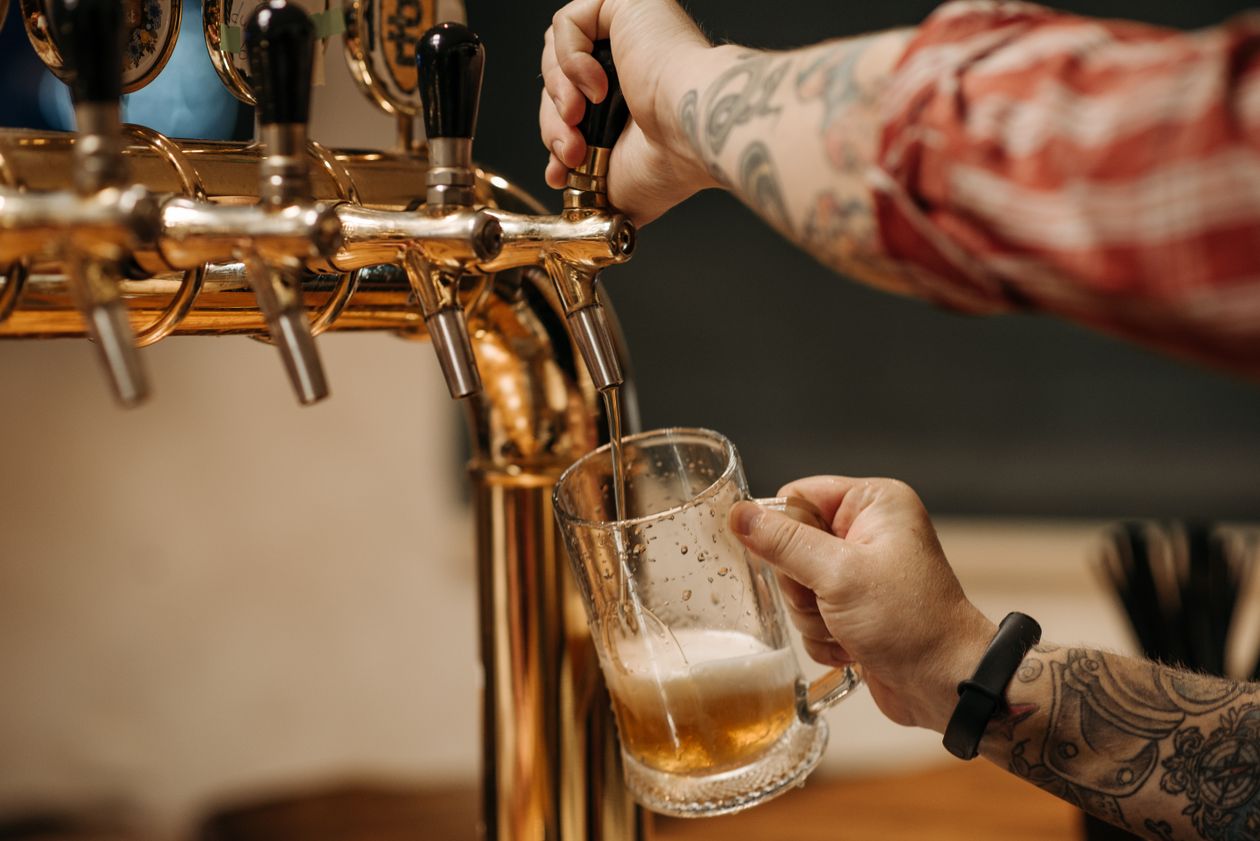
The ride home and the first hour
More good beer is ruined in parked cars than in any brewery. A summer errand run across Charlotte with cans in a hot trunk can undo careful brewing in an afternoon, because heat damage is quiet: the beer pours fine and simply tastes tired. Plan the brewery as the last stop, keep the beer in the air-conditioned cabin, and refrigerate it within the hour. If the beer must wait, a cooler with a single ice pack is plenty. Crowlers and growlers deserve extra urgency; their seals are good, not perfect, and every warm hour is carbonation and aroma leaving early.
One more habit separates careful buyers from disappointed ones: check the canning date when the brewery prints one, and drink the hoppy purchases first in the week, the dark and strong ones last. Freshness is a queue. Put each beer in its right place in line and the home refrigerator becomes a decent cellar instead of a place beer goes to be forgotten.
Finally, trust your nose over the calendar. Dates and rules are guides, but a can that pours hazy when it should be clear, smells of wet cardboard or tastes of sherry and honey in a beer that never promised either has already told you its condition. Fresh beer smells like its ingredients: grain, hops, fruit, roast. When in doubt, open one can as the test case before chilling the whole purchase for guests. One sacrificed can has saved many an evening's first round.
Common questions
How long does a crowler really last?
Sealed and refrigerated, about a week is a safe window, with the first few days best. Once opened it is a one-sitting beer; the carbonation and freshness leave quickly.
Can I freeze beer to chill it fast?
Briefly, with a timer set. Forgotten cans expand, burst and make a memorable mess, and beer that has frozen and thawed tastes flat and tired.
Is old beer dangerous to drink?
Almost never dangerous, just disappointing. Stale beer tastes of cardboard, honey-like sweetness and dull hops. When a can is far past its best, compost the contents without guilt.
Photos in this guide are representative stock images.
← All guides from Free Range Brewing← Back to Free Range Brewing