A beer flight looks like a sampler platter, four or five small glasses on a board, and most people drink it like one: quickly, in whatever order, while talking. That is a missed opportunity, because a flight is the cheapest structured tasting in the drinks world. Breweries like Free Range Brewing build their boards around rotation, so a flight is how you survey a whole season of brewing in one sitting. Here is how to get real information out of it.
Build the flight with a plan
- Pick four glasses, five at most; more than that and your palate gives up.
- Span the range: one light and crisp, one hoppy, one dark, one wildcard such as a sour or a fruited beer.
- Stay inside one strength band where you can; a ten percent stout in the middle wrecks the tasting.
- Ask the bartender to arrange them lightest to strongest, and to tell you the order.
- Keep a glass of water on the table and use it between tastes.
Taste in the right order
Order matters because flavors linger. Delicate beers, lagers, pilsners, wheat beers, get buried if they follow something strong, while dark and bitter beers taste thinner than they are if they follow something sweet. The standard run is lightest color and lowest strength first, darkest and strongest last, with sour beers placed carefully: their acidity refreshes early in a flight but can flatten a delicate lager poured after them. When in doubt, trust the order the staff set down; they built the board and they know its traps.
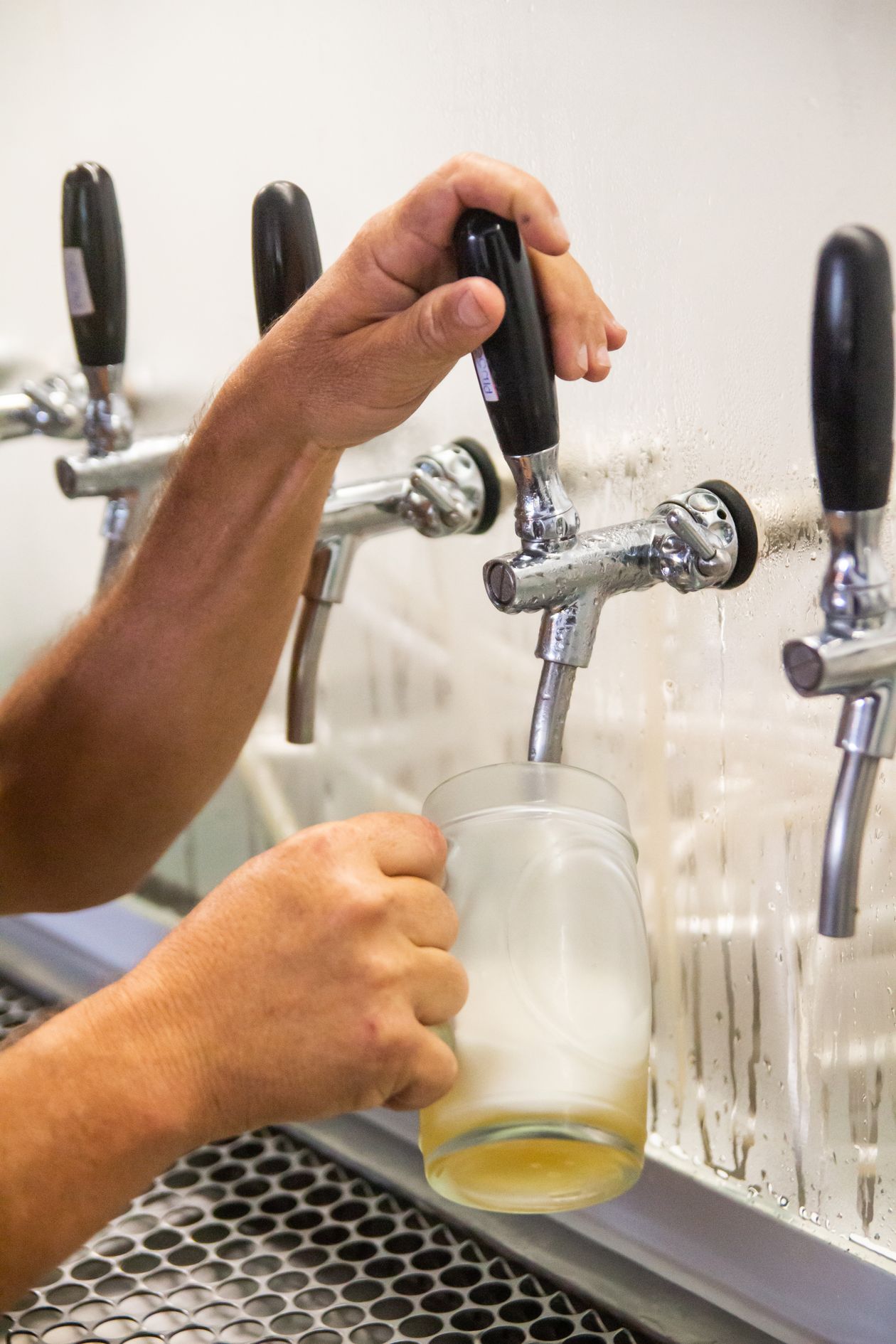
What to actually pay attention to
You do not need a vocabulary, you need three observations per glass. First, the smell, because most of flavor is aroma and a small glass concentrates it. Second, the first taste: sweet, bitter, tart, roasty, fruity, in whatever plain words come to mind. Third, the finish: does the flavor vanish, linger pleasantly, or turn harsh. Write nothing down if you do not want to, but do rank the glasses before you finish them. A ranking is a preference you can use next visit, and next visit the board will have changed, so the preference is the useful part.
Flights versus full pours
A flight teaches range; a full pour teaches depth. Some beers, especially balanced lagers and saisons, only show their quality across a whole glass as they warm slightly and the carbonation settles. The veteran move is flight first, then a full pour of the winner. You leave with both the survey and the experience, and the brewery's best beer of the week gets drunk at the size it was designed for.
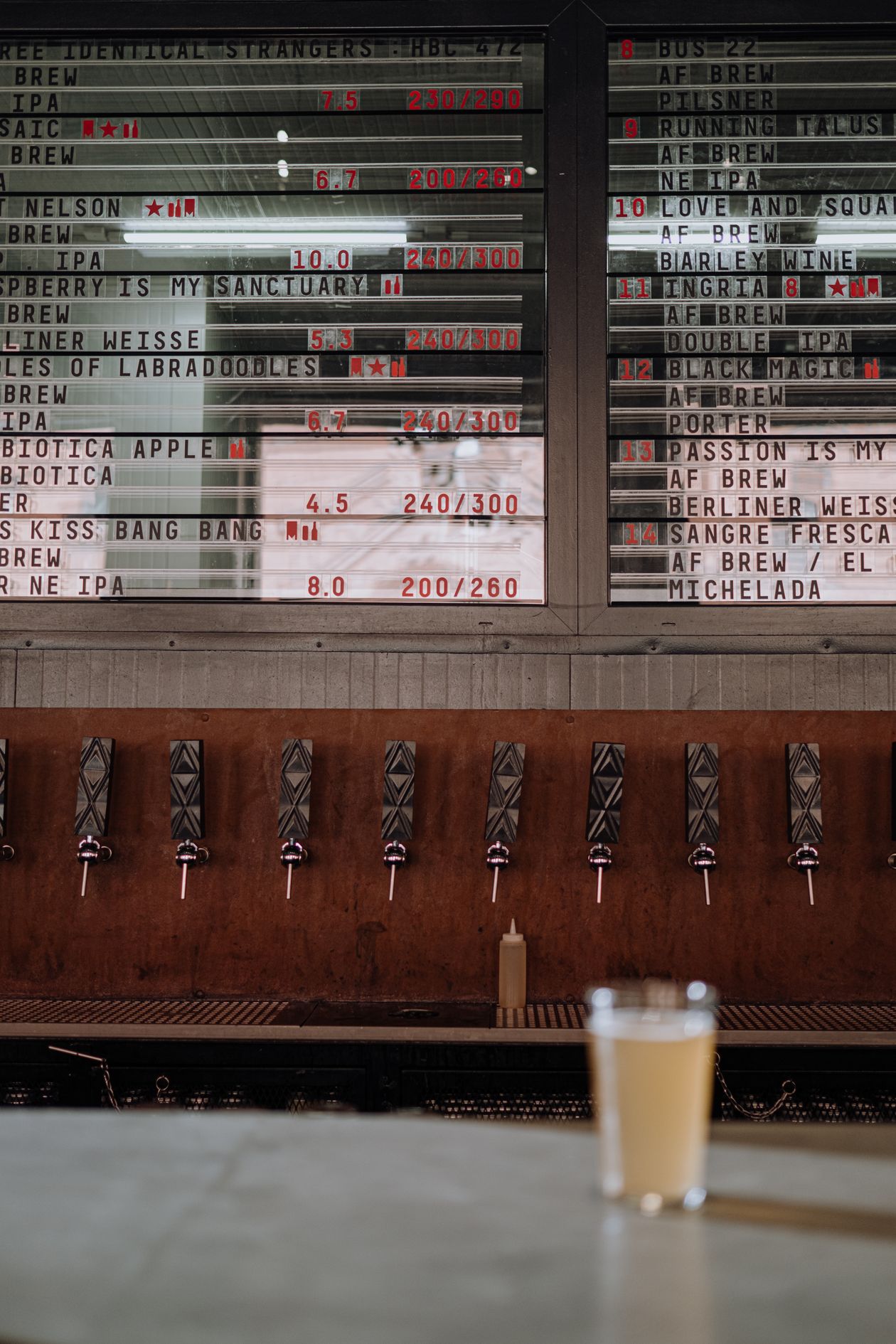
Sharing and pacing
Flights are built for sharing, and a table ordering two different flights doubles the survey. Pace is the other half of the craft: four tasters equal roughly a pint and a half in total, and strong flights add up quietly. Eat something, drink the water, and let the flight take the time it takes. A tasting is not a race, and the last glass deserves the same attention as the first.
Notes help more than memory
Beer drinkers who take even scruffy notes get more from flights than those who rely on memory, because taste memory is short and social evenings are distracting. A phone note with three things per glass, the name, one word for the flavor, a score out of five, takes ten seconds and builds a personal map no app can build for you. After a few visits you will know your own patterns cold: the styles you reach for in summer, the ones you admire once and never reorder, the wildcards that became favorites. That map is worth more than any rating a stranger left, because it is calibrated to the only palate at your table.
One courtesy belongs in every flight plan: if the taproom is slammed, order once, completely, rather than building the flight glass by glass across three trips to the bar. Staff will happily help you choose, but the choosing goes faster for everyone when it happens in a single conversation.
Common questions
How many beers come in a flight?
Usually four or five small pours, commonly four to five ounces each. Taprooms set their own format, so check the board or ask when you order.
Can I choose my own beers in a flight?
At most breweries, yes, and you should. A pre-set flight is fine for a first visit, but choosing across styles you are curious about teaches you more about your own taste.
Is a flight a good deal?
Per ounce it costs more than a pint, and that is fair: you are paying for variety, glassware and information. As a way to learn a new tap list it is the best value in the room.
Photos in this guide are representative stock images.
← All guides from Free Range Brewing← Back to Free Range Brewing