Beer has seasons whether breweries admit it or not. Nobody craves a spiced winter stout during a Charlotte August, and a strawberry wheat in January tastes like a postcard from somewhere else. Small breweries that brew with regional ingredients lean into the calendar, so a NoDa tap list reads differently in April than it does in November. Here is the year as a drinker in the North Carolina Piedmont actually lives it, season by season.
The drinking year at a glance
| Season | On the board | In the fields |
|---|---|---|
| Spring | Strawberry and floral ales, saisons, lighter lagers | Strawberries, first herbs and flowers |
| Summer | Peach beers, goses, crisp pilsners, shandies | Peaches, berries, melons, basil |
| Fall | Fresh-hop ales, maltier ambers, early dark beers | Hop harvest, apples, persimmons |
| Winter | Barrel-aged stouts, spiced ales, strong porters | Stored grain, honey, spice season |
Spring: the list wakes up
As pollen coats every patio table in Charlotte, the board lightens. Strawberry season is short and early in North Carolina, and strawberry ales vanish almost as fast as they appear. Saisons return in force because they were invented as warm-weather farm beer. This is also the season of drinking outside again, and the beers follow people onto the patio: lower strength, brighter, built for a second glass.
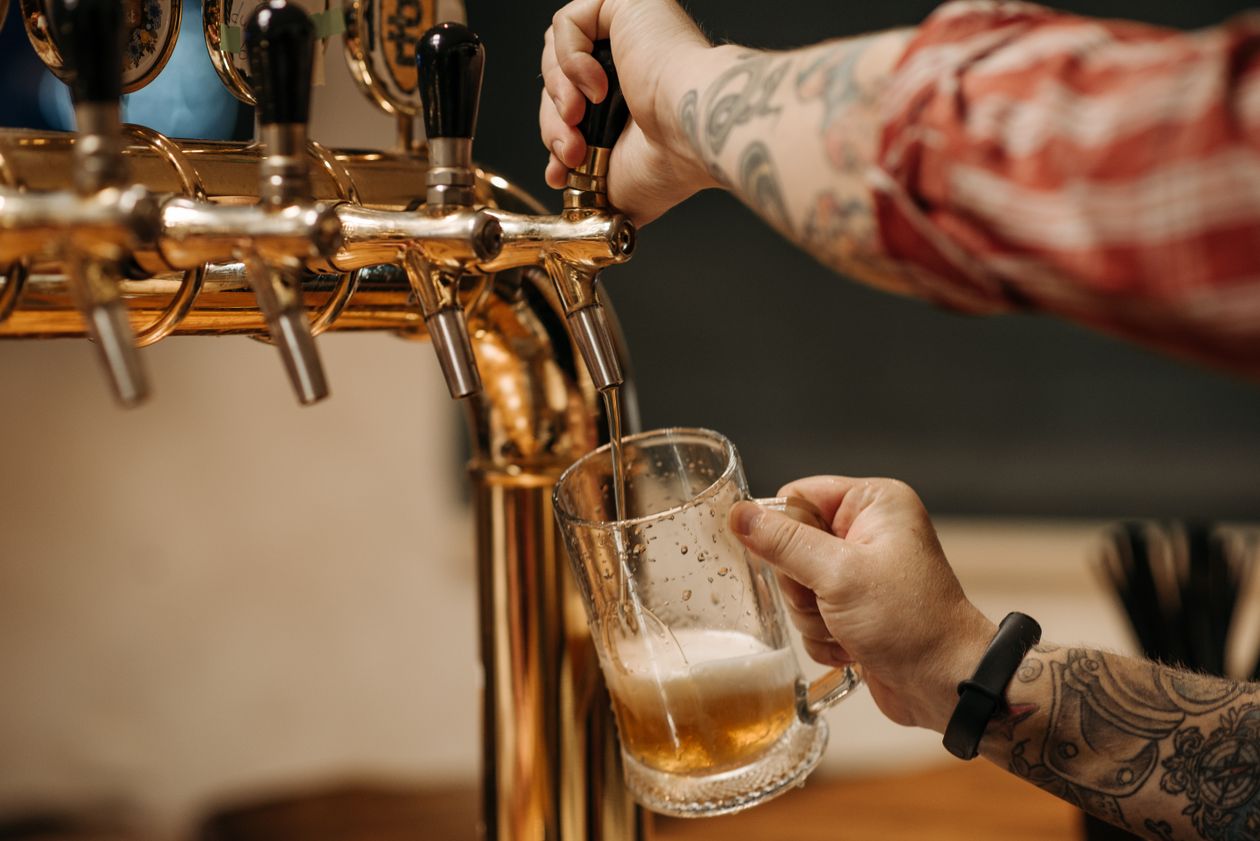
Summer: fruit and salt
Peach beer is the headline act of a Carolina summer and small breweries plan batches around the harvest. Goses and other lightly tart, salted styles earn their place in the humidity: they are refreshing in a way that feels engineered for a 95-degree evening. Summer is also peak food-truck and live-music season at taprooms, and session-strength beers, full flavor under about five percent, let an evening last.
Fall and winter: the dark end of the board
Fall brings the hop harvest and a brief window of fresh-hop beers, brewed with cones picked days earlier. As nights cool, malt takes over from hops: amber ales, brown ales, porters. Winter belongs to the strong end, barrel-aged stouts that spent months in whiskey barrels and spiced ales that taste like the holidays without apology. These are sipping beers, poured smaller, and breweries often release them in limited runs that regulars watch for.
Drinking the calendar on purpose
The practical move is simple: when you visit a brewery, ask what is most seasonal on the board and start there. Seasonal beers are the ones that will not exist in six weeks. The flagships and year-round styles will wait for you. Drinking this way turns a taproom into a subscription to the local year, one glass at a time, and it is the habit that separates regulars from occasional visitors.
Release days and how to catch them
Seasonal beers at small breweries arrive as events, not quiet shelf changes. A strawberry ale or a barrel-aged stout release often gets its own day on the taproom calendar, sometimes with the farmer or the barrel source named, and the kegs behind it are counted in days rather than weeks. Regulars learn to watch the brewery's board and social posts the way gardeners watch a forecast. If a seasonal pour matters to you, go in its first week. By the third week of peach season, the peach beer is a memory people describe to you.
There is also a home version of the calendar. Cans bought at release and kept cold let you hold a small piece of a season past its end, and strong winter styles are the one category that rewards patience in a closet. Everything lighter should be drunk in its season, which is the calendar's final lesson: beer brewed for a moment tastes best inside that moment.
One last habit ties the calendar together: when a seasonal favorite appears, drink it twice, once in its first week for brightness and once near its end, because small batches evolve in the keg as they pour. Brewers notice the difference and so will you. It is a small ritual, cheap to keep, and it turns a casual taproom visit into something closer to following a farm through its year, glass by glass, season by season.
Common questions
Why do breweries release pumpkin and spiced beers so early?
Brewing takes weeks, and seasonal ingredients and shelf timing push releases ahead of the season itself. Most drinkers ignore them until the weather turns, and the beer keeps fine in the meantime.
What is a fresh-hop beer?
A beer brewed with hop cones used within a day or so of harvest instead of dried and stored. The flavor is greener and softer, and the style only exists for a few weeks each fall.
Do seasonal beers cellar well?
Strong, dark styles like barrel-aged stouts can improve for a year or more stored cool and dark. Light, hoppy and fruit beers should be drunk fresh, within weeks or a few months.
Photos in this guide are representative stock images.
← All guides from Free Range Brewing← Back to Free Range Brewing